Is Spring the Best Time to Paint Your Home's Exterior in Alabama?
Every homeowner in North Alabama eventually faces the same question: when is the right time to repaint the outside of my house? The answer matters more than most people realize. Paint applied in the wrong conditions fails early, peeling, bubbling, and cracking before it ever has a chance to protect your home. Spring, for many Huntsville-area homeowners, hits a sweet spot. But Alabama's climate has quirks that make timing a bit more nuanced than simply checking the calendar.
In this guide, we break down exactly why spring exterior painting works so well in Alabama, what weather conditions actually matter, and the warning signs that tell you it's time to stop putting off that paint job.
1. Why Temperature Matters for Exterior Paint Curing
Paint doesn't just dry, it cures. Curing is a chemical process where the paint film hardens and bonds to the surface. Most quality exterior paints (both latex and oil-based) require sustained temperatures above 50°F, with the sweet spot falling between 60°F and 85°F. In Huntsville, spring typically delivers exactly that window, daytime highs in the 65–80°F range from late March through May.
Paint applied below 50°F cures improperly. The film forms too slowly, leaving it weak and prone to cracking as temperatures fluctuate. On the other end, temperatures above 90°F cause paint to dry too fast on the surface while the layer beneath stays wet, a recipe for bubbling and adhesion failure. Alabama summers push well past that threshold, which is one reason summer exterior painting in this region is far more problematic than homeowners expect.
Spring gives you those consistent overnight temperatures that don't bottom out, and daytime highs that keep paint flowing and curing properly. That's a combination that's genuinely hard to replicate in any other season here.

2. Alabama Humidity — The Factor Most People Overlook
Alabama is humid. That's not news to anyone who has lived here through a July afternoon. But what many homeowners don't realize is how directly humidity affects exterior painting and why spring requires some attention even when temperatures are perfect.
High humidity slows the evaporation of water from latex paint. When humidity exceeds 85–90%, paint can stay wet far longer than expected, increasing the risk of mildew forming directly in the wet film. It also means you risk lap marks, uneven sheen, and poor adhesion. Huntsville's spring mornings can be quite humid dew on surfaces is common. A good rule: don't start painting until surfaces are fully dry and the morning humidity has dropped, typically after 9 or 10 a.m.
The good news is that spring afternoons in North Alabama usually drop to moderate humidity (50–65%), which is ideal. The key is timing your painting windows correctly and not rushing to get started at first light. An experienced exterior painting contractor in Huntsville will know exactly how to schedule around these conditions it's part of working in this climate every day.
3. Why Spring Prep Sets the Tone for the Whole Job
Spring painting isn't just about applying color, it's about preparation that protects your home for years. Winter in Alabama may be mild compared to the Midwest, but freeze-thaw cycles, rain, and wind still stress exterior surfaces. By the time spring arrives, your home's exterior has taken a beating. Caulk may have cracked. Wood may have absorbed moisture. Old paint may have lost adhesion in spots.
Spring is the ideal time to address these issues before they become expensive structural problems. Painting over compromised surfaces, even with premium paint produces a short-lived result. Proper prep includes pressure washing to remove mildew, algae, and loose paint; scraping and sanding failed areas; replacing deteriorated caulk around windows, doors, and trim; and priming bare wood or repaired spots.
A professional exterior painting crew working in spring has the time and favorable conditions to do all of this correctly. By contrast, painting in fall often means rushing before cold weather sets in, and summer heat can cause primer to flash too quickly for proper bonding. Spring is genuinely the season where doing the job right is easiest.
4. Signs Your Exterior Needs Repainting — Don't Wait Too Long
Many homeowners put off exterior painting until the damage is obvious. By then, they're often dealing with wood rot, mildew penetration, and surface failures that add significantly to the cost of the project. Knowing the early warning signs saves money.
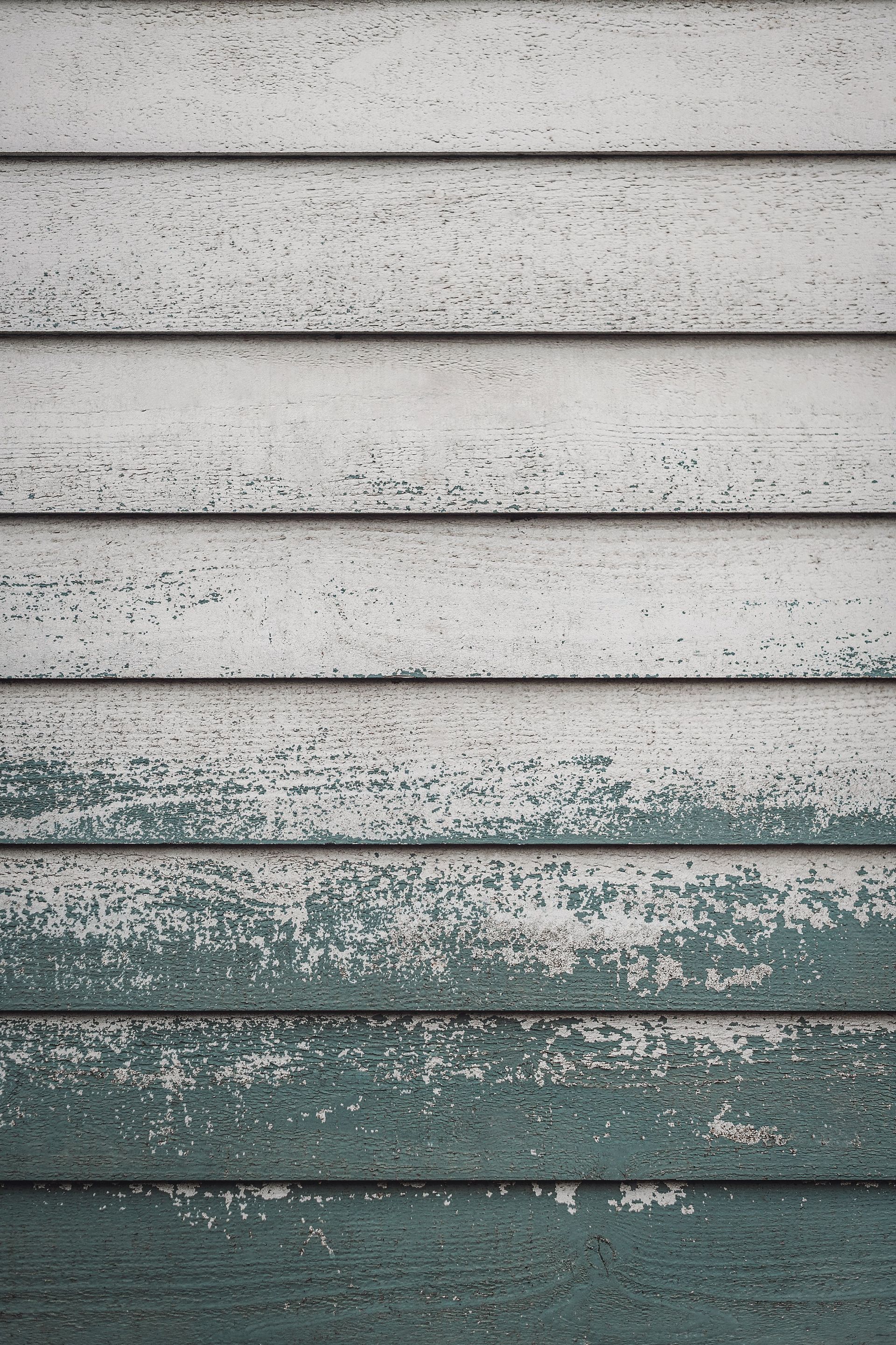
Watch for chalking — a powdery residue on the paint surface that rubs off on your hand. It means the paint's binder has broken down from UV exposure and the coating is no longer protecting the substrate. Peeling or flaking in multiple spots signals adhesion failure, often due to moisture intrusion or an aging paint film. Fading beyond normal weathering means the pigment has degraded and the film is thinning. And cracks in caulk around windows and doors are an early entry point for water.
In Alabama, UV exposure is intense year-round. South- and west-facing walls take the most sun and typically show wear first. If you notice any of these signs as you walk around your home this spring, don't put the project off another season. The cost of repainting is always less than the cost of repairing what happens when you don't.
5. What About Fall — Is Spring Really Better?
Fall is also a popular exterior painting season, and it's a legitimate option in Alabama. Temperatures are mild, humidity drops, and the brutal summer sun is behind you. So why does spring often edge it out?
Two reasons: preparation windows and drying time before winter. In spring, you have months of mild weather ahead for the paint to cure fully and harden before it faces summer heat and UV. In fall, you're racing toward winter, and if temperatures drop earlier than expected, you lose painting days fast. Spring also follows winter, the season that does the most damage to paint and caulk, so you're catching problems right after they form, before a full year of exposure makes them worse.
That said, for many Huntsville homeowners, both seasons are viable. The worst times are mid-summer (too hot, too humid) and winter (too cold and wet). If your schedule makes fall easier, a quality contractor can still do excellent work. But if you have flexibility, spring is the window professionals prefer for a reason.
Frequently Asked Questions
What temperature is too cold to paint exterior in Alabama?
Below 50°F is generally the cutoff for most exterior paints. Some cold-weather formulas allow painting down to 35°F, but standard paints will not cure properly. In Huntsville, late November through February often produces overnight lows that rule out painting entirely.
Can I paint my house exterior in summer in Alabama?
It's possible but challenging. Temperatures regularly exceed 90°F from June through August, which causes paint to dry too fast on the surface. If you must paint in summer, schedule work for early morning when temps are lower and shade is on the walls.
How long does exterior paint last in Huntsville, AL?
With proper prep and quality paint, 7–10 years is typical. South- and west-facing surfaces may need attention sooner due to UV exposure. Regular inspection and touch-ups extend the life of a full paint job significantly.
Do I need to pressure wash before repainting?
Yes. Painting over mildew, algae, dirt, or chalk virtually guarantees poor adhesion and early failure. Pressure washing is a non-negotiable step in any quality exterior painting project.
How do I find a reliable exterior painter in Huntsville, AL?
Look for licensed, insured contractors with documented experience in the local climate. Ask for references from similar projects and get a written scope of work that specifies prep steps, number of coats, and paint brands. Galaxy's Edge Painting serves Huntsville and the surrounding North Alabama area — contact us for a free estimate.
Ready to get your home's exterior painted this spring? Galaxy's Edge Painting brings professional prep, premium materials, and local expertise to every job in Huntsville and North Alabama. Call us at (256) 724-2730 or contact us to schedule your free estimate.
Blog